Featured
Table of Contents
In his four years as President, President Trump did not sign into law a single piece of legislation that decreased deficits, and just signed one bill that meaningfully minimized costs (by about 0.4 percent). On internet, President Trump increased spending quite substantially by about 3 percent, excluding one-time COVID relief.
During President Trump's term in office, federal debt held by the public grew by $7.2 trillion from $14.4 to $21.6 trillion. This includes a $3 trillion boost through February of 2020, before the COVID-19 pandemic struck the United States. And even by its own, really rosy estimates, President Trump's final spending plan proposal introduced in February of 2020 would have allowed financial obligation to rise in each of the subsequent 10 years, from $17.9 trillion at the end of FY 2020 to $23.9 trillion by the end of FY 2030.
*****Throughout the 2024 governmental election cycle, United States Spending plan Watch 2024 will bring details and accountability to the campaign by examining prospects' propositions, fact-checking their claims, and scoring the fiscal expense of their programs. By injecting an impartial, fact-based technique into the nationwide conversation, United States Budget Watch 2024 will assist voters much better understand the subtleties of the prospects' policy proposals and what they would imply for the country's economic and fiscal future.
Why Refinance Variable Credit for 2026?
1 Throughout the 2016 project, we noted that "no possible set of policies might settle the financial obligation in 8 years." With an additional $13.3 trillion contributed to the financial obligation in the interim, this is even more true today.
Charge card financial obligation is one of the most common financial stresses in the USA. Interest grows quietly. Minimum payments feel workable. Then one day the balance feels stuck. A clever strategy changes that story. It offers you structure, momentum, and psychological clearness. In 2026, with greater borrowing costs and tighter home budgets, method matters especially.
We'll compare the snowball vs avalanche approach, explain the psychology behind success, and check out alternatives if you need extra assistance. Nothing here assures instantaneous results. This is about consistent, repeatable progress. Charge card charge a few of the greatest customer interest rates. When balances remain, interest consumes a big portion of each payment.
It gives instructions and quantifiable wins. The goal is not only to eliminate balances. The real win is constructing routines that prevent future financial obligation cycles. Start with full presence. List every card: Existing balance Rate of interest Minimum payment Due date Put everything in one document. A spreadsheet works fine. This action removes uncertainty.
Clarity is the foundation of every reliable credit card debt payoff plan. Time out non-essential credit card costs. Practical actions: Use debit or cash for everyday costs Remove stored cards from apps Hold-up impulse purchases This separates old financial obligation from present habits.
Comparing Interest Rates On Loans in 2026
This cushion safeguards your reward plan when life gets unpredictable. This is where your financial obligation technique U.S.A. technique becomes focused.
When that card is gone, you roll the freed payment into the next tiniest balance. The avalanche technique targets the highest interest rate.
Additional cash attacks the most expensive debt. Minimizes total interest paid Accelerate long-lasting reward Maximizes efficiency This strategy attract people who focus on numbers and optimization. Both approaches succeed. The best choice depends upon your personality. Choose snowball if you require emotional momentum. Select avalanche if you want mathematical effectiveness.
Missed out on payments develop costs and credit damage. Set automated payments for every card's minimum due. Manually send out extra payments to your top priority balance.
Search for reasonable modifications: Cancel unused memberships Decrease impulse spending Cook more meals in the house Sell products you do not utilize You don't need extreme sacrifice. The goal is sustainable redirection. Even modest additional payments substance in time. Cost cuts have limitations. Earnings growth expands possibilities. Consider: Freelance gigs Overtime moves Skill-based side work Selling digital or physical goods Treat extra earnings as financial obligation fuel.
Guide to HUD-Approved Education in 2026
Consider this as a short-term sprint, not a permanent lifestyle. Financial obligation reward is emotional as much as mathematical. Lots of strategies stop working due to the fact that motivation fades. Smart psychological techniques keep you engaged. Update balances monthly. Seeing numbers drop reinforces effort. Settled a card? Acknowledge it. Small rewards sustain momentum. Automation and routines reduce choice tiredness.
Behavioral consistency drives successful credit card financial obligation benefit more than ideal budgeting. Call your credit card company and ask about: Rate decreases Difficulty programs Marketing offers Numerous lenders prefer working with proactive clients. Lower interest indicates more of each payment strikes the principal balance.
Ask yourself: Did balances shrink? A flexible plan makes it through genuine life much better than a stiff one. Move debt to a low or 0% introduction interest card.
Combine balances into one fixed payment. Negotiates reduced balances. A legal reset for overwhelming financial obligation.
A strong debt method U.S.A. households can rely on blends structure, psychology, and versatility. You: Gain complete clearness Avoid new financial obligation Select a proven system Safeguard versus problems Preserve inspiration Adjust tactically This layered technique addresses both numbers and behavior. That balance develops sustainable success. Debt benefit is seldom about severe sacrifice.
Improving Your Financial Wellness in 2026Reviewing Top-Rated Debt Options in 2026
Paying off credit card debt in 2026 does not require perfection. It requires a wise plan and constant action. Each payment lowers pressure.
The most intelligent move is not waiting for the perfect moment. It's starting now and continuing tomorrow.
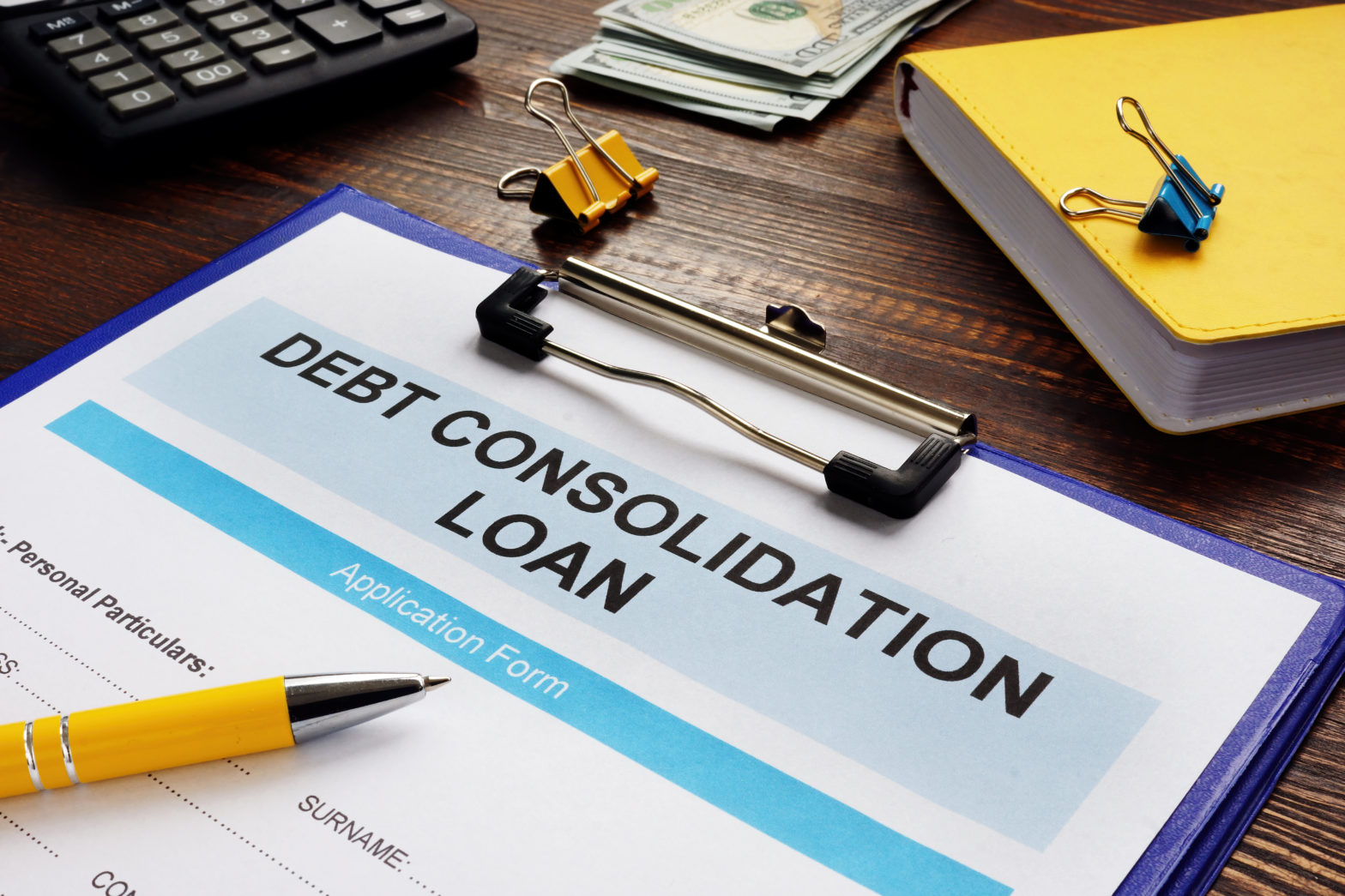
Debt debt consolidation combines high-interest credit card expenses into a single month-to-month payment at a lowered rate of interest. Paying less interest conserves cash and permits you to pay off the financial obligation much faster.Financial obligation combination is readily available with or without a loan. It is an effective, inexpensive way to handle credit card debt, either through a debt management plan, a financial obligation consolidation loan or financial obligation settlement program.

Latest Posts
Leveraging Debt Estimation Tools for 2026
Finding Affordable Personal Financing in 2026
Managing Your Credit Card Debt in 2026